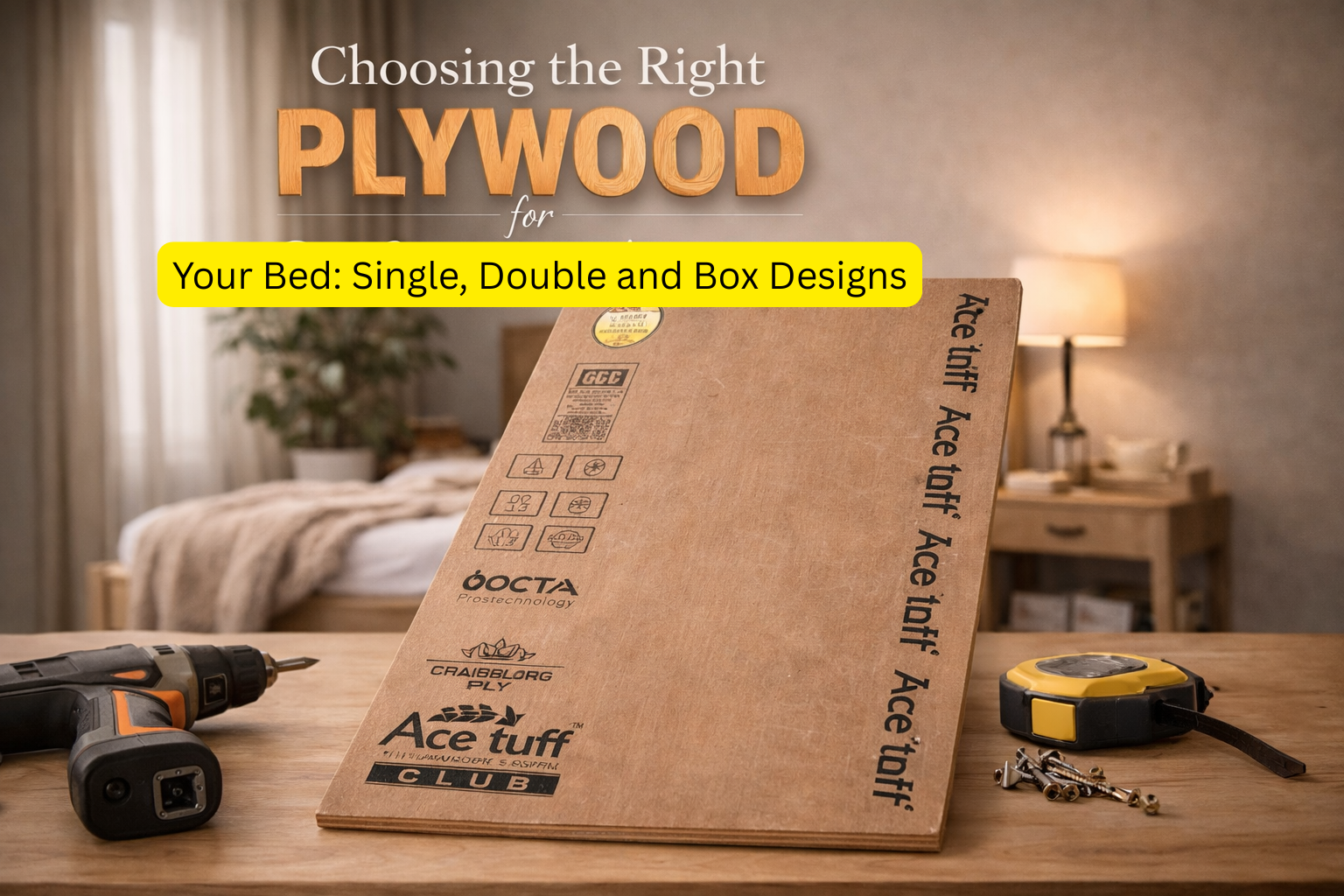
Choosing the Right Plywood for Your Bed: Single, Double and Box Designs
- March 18, 2026
A bed is not just another piece of furniture—it’s the most used and most trusted element in any home. Whether it’s a quick afternoon nap or a full night’s sleep, your bed silently carries weight, movement, and daily wear. But here’s the reality many homeowners overlook: the strength and life of your bed depend entirely on the plywood you choose.
If you’ve ever seen a bed start creaking, bending, or losing shape within a few years, the root cause is almost always poor material selection.
This guide will help you understand how to choose the right plywood for bed construction, based on design, usage, and budget—so your furniture stays strong, stable, and long-lasting.
Understanding Plywood for Bed Construction
When building a bed, plywood is the backbone of the structure. It supports:
- Mattress weight
- Human weight
- Daily movement and stress
- Storage load (in box beds)
Plywood is made by layering wood veneers in opposite grain directions, making it far more stable than solid wood.
Why Plywood Works Best for Beds
- High load-bearing strength
- Excellent screw-holding capacity
- Resistant to warping and cracking
- Long-term durability
Real-Life Scenario
Imagine a family installing a box bed with storage. Within a year, the panels begin to sag because low-quality plywood was used. Drawers stop functioning smoothly, and the structure weakens.
Now compare that with a bed built using high-grade plywood—it remains firm, noise-free, and reliable even after years of use.
Pro Tips
- Always check plywood thickness (minimum 18mm for beds)
- Choose multi-layered, calibrated plywood for uniform strength
- Avoid low-density boards for structural parts
Choosing Plywood Based on Bed Type
Different bed designs demand different levels of strength and durability. Using the same plywood for all types can lead to long-term issues.
1. Single Bed
A single bed typically supports less weight and has a simpler structure.
Recommended Plywood:
- MR (Moisture Resistant) or BWR grade
- Medium thickness plywood
Best Use:
- Kids’ rooms
- Guest bedrooms
Pro Tip:
Even for single beds, avoid very low-grade plywood—daily use still creates stress over time.
2. Double Bed
Double beds carry significantly more weight and are used more frequently.
Recommended Plywood:
- BWR (Boiling Water Resistant) plywood
- Higher density and thickness
Best Use:
- Master bedrooms
- Daily-use furniture
Pro Tip:
Use stronger plywood for the base and frame, even if decorative parts can be lighter.
3. Box Bed (Storage Bed)
Box beds are the most demanding in terms of strength. They include storage compartments, hydraulic systems, or sliding panels.
Recommended Plywood:
- BWP (Boiling Waterproof) plywood
- High load-bearing capacity
Why Stronger Plywood is Needed:
- Handles both sleeping weight and storage weight
- Supports moving mechanisms
- Prevents long-term bending
Pro Tip:
Never compromise on plywood quality for storage beds—this is where most failures happen.
Comparing Plywood Grades and Materials
Choosing the right plywood grade is crucial for durability and performance.
Common Plywood Grades
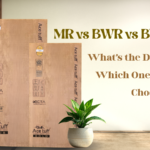
BWP (Boiling Waterproof Plywood)
- Highest water resistance
- Ideal for long-term durability
- Best for premium furniture
BWR (Boiling Water Resistant Plywood)
- Good moisture resistance
- Balanced cost and performance
MR (Moisture Resistant Plywood)
- Budget-friendly
- Suitable for dry areas
Plywood vs MDF: What’s Better for Beds?
| Feature | Plywood | MDF |
|---|---|---|
| Strength | High | Moderate |
| Durability | Long-lasting | Less durable |
| Load Bearing | Excellent | Weak |
| Best Use | Structure (frame, base) | Decorative panels/headboards |
Real Insight
Many modern beds use MDF for headboards because of its smooth finish—but the internal structure is always plywood. That’s the right approach.
Pro Tips
- Use plywood for structure, MDF only for aesthetics
- Prefer branded plywood for consistent quality
- Check for calibration and core quality
Why Acetuffply is a Reliable Choice for Bed Furniture
When it comes to furniture that lasts, material consistency and manufacturing quality matter.
Acetuffply offers plywood solutions designed for:
- Strong load-bearing structures
- Long-term durability
- Smooth finishing compatibility
- Resistance to moisture and wear
From basic bed frames to premium storage beds, Acetuffply provides options that suit different design needs without compromising strength.
Pro Tips
- Match plywood grade with usage (don’t overpay or under-specify)
- Choose trusted manufacturers to avoid hidden defects
- Always inspect surface finish and core layers before buying
Understanding the Total Cost of Building a Plywood Bed
Many homeowners focus only on plywood price—but the total cost includes several factors.
Key Cost Components
- Material Cost
- Depends on grade (MR, BWR, BWP)
- Thickness and brand quality
- Labour Cost
- Skilled carpentry impacts durability
- Poor workmanship can ruin even good plywood
- Finishing Cost
- Laminates, veneers, polish
- Enhances aesthetics and protection
- Maintenance Cost
- Low-quality materials lead to frequent repairs
- High-quality plywood reduces long-term expenses
Real Example
A cheaper bed may save money initially, but frequent repairs and replacements make it more expensive over time compared to a well-built, high-quality plywood bed.
Pro Tips
- Think long-term value, not just initial cost
- Invest more in structural parts, save on decorative finishes if needed
- Ensure proper sealing and finishing for longer life
Buying Guide Based on Budget
Choosing the right plywood depends on how much you want to invest and how long you expect the furniture to last.
Budget-Friendly Option
- Use MR or BWR plywood
- Simple laminate finishes
- Ideal for single beds or low-use rooms
Pro Tip:
Don’t compromise on thickness—even budget beds need structural strength.
Mid-Range Option
- Use BWR plywood with better finishes
- Suitable for double beds and storage beds
Pro Tip:
Balance cost and durability—this is the most practical category for most homes.
Premium Option
- Use BWP plywood
- High-end laminates or veneers
- Best for luxury bedrooms and long-term use
Pro Tip:
If you plan to use the bed for 10+ years, premium plywood is a smart investment.
Conclusion: Build Smart, Sleep Better
Choosing the right plywood for your bed is not just a technical decision—it directly affects comfort, durability, and long-term satisfaction.
- Single beds need balanced strength
- Double beds require durability
- Box beds demand the highest quality
By understanding plywood grades, comparing materials, and planning your budget wisely, you can build furniture that stays strong for years.
With reliable options like Acetuffply, homeowners and designers can create beds that are not only visually appealing but also structurally dependable.
The right plywood doesn’t just build a bed—it builds peace of mind.