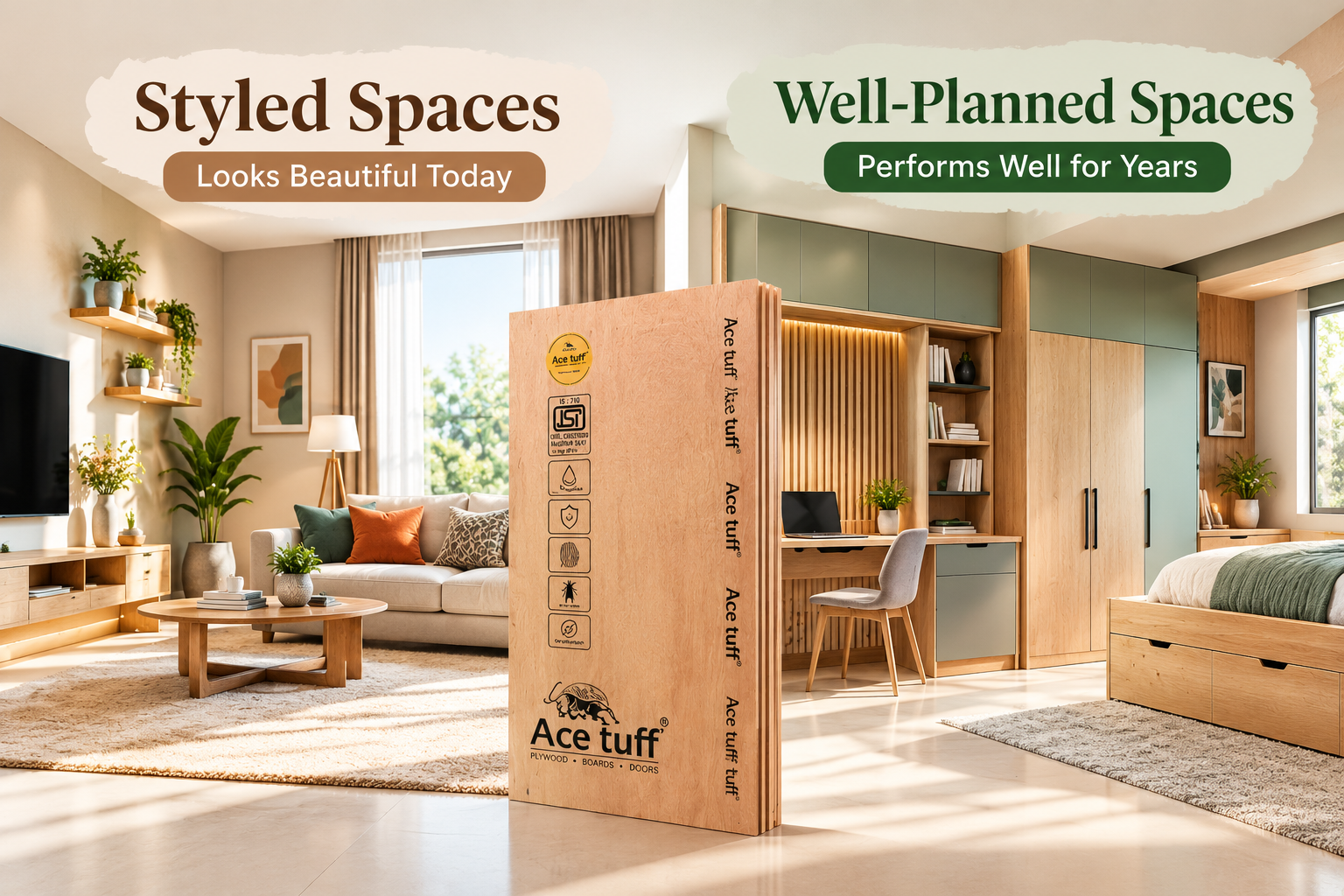
The Difference Between Styled Spaces and Well-Planned Spaces
- October 9, 2026
A beautiful home catches your attention. A well-planned home makes everyday living better.
Imagine walking into a newly designed home. The living room features elegant furniture, stylish wall panels, beautifully coordinated colours, and a modern TV unit. Every corner looks picture-perfect.
But a few months later, the kitchen cabinets begin showing signs of moisture damage. The wardrobe doors no longer close smoothly, and the furniture starts losing its original finish.
What went wrong?
The problem may not be the design itself. It could be the materials used beneath those beautiful surfaces.
This is where understanding the difference between styled spaces and well-planned spaces becomes essential.
Whether you’re building a new home, renovating an existing one, or investing in modular furniture, choosing the right materials, including high-quality plywood, can make a significant difference in your home’s durability, functionality, and long-term value.
1. What Is a Styled Space?
A styled space focuses primarily on visual appearance. Its purpose is to create an attractive environment through thoughtful colour combinations, decorative finishes, furniture arrangements, lighting, and accessories.
Think of the stunning interiors you see on Instagram or Pinterest. Everything looks perfectly coordinated, from the cushions on the sofa to the texture of the wardrobe panels.
While these interiors can be visually impressive, appearance alone doesn’t guarantee long-lasting performance.
When Beauty Overlooks Practicality
Consider a homeowner who invests in an expensive decorative laminate for a modular kitchen but chooses low-quality plywood underneath to reduce costs.
Initially, the kitchen looks luxurious.
However, regular exposure to moisture, steam, and daily use may eventually cause the underlying material to swell or deteriorate. This can affect the appearance and functionality of the cabinets.
The decorative finish may be premium, but its performance also depends on the quality of the material supporting it.
Pro Tip: When selecting furniture materials, don’t judge quality by the outer finish alone. Ask your carpenter or interior designer about the plywood grade, moisture resistance, and suitability for the intended application.
Key Takeaway: A styled space focuses on how your home looks today. A well-planned space also considers how it will perform tomorrow.
2. What Makes a Space Well-Planned?
A well-planned space combines aesthetics, functionality, durability, and comfort.
Instead of beginning with colours and decorative finishes, the planning process starts with understanding how the space will actually be used.
For example, a kitchen requires materials that can handle regular cleaning, humidity, and everyday cooking activities. A wardrobe needs structural stability and dependable hardware. A TV unit must safely support equipment while providing suitable ventilation and cable management.
Questions to Ask Before Designing Your Interiors
- Who will use this space, and how frequently?
- Will the furniture be exposed to moisture, heat, or heavy loads?
- How much storage space is required?
- Which plywood grade is suitable for the application?
- Will the furniture be easy to clean and maintain?
- Can the materials deliver reliable performance over several years?
A Real-Life Example
Imagine two families installing identical-looking wardrobes.
Family A selects furniture mainly based on appearance and price.
Family B considers the wardrobe’s internal construction, plywood quality, hardware, storage requirements, and expected daily use.
Both wardrobes may look equally attractive when installed. However, Family B has made more informed decisions to support long-term performance.
This doesn’t mean that appearance should be ignored. It means that good interior planning creates a balance between beauty and functionality.
Pro Tip: Finalise the furniture layout, storage needs, core materials, and hardware specifications before selecting decorative laminates or finishes.
Key Takeaway: The best interior designs are not simply attractive. They are thoughtfully designed to make everyday living easier.
3. The Hidden Foundation of Long-Lasting Interiors
When people admire a beautifully designed wardrobe or kitchen, they usually notice the colour, texture, handles, and overall finish.
What they rarely see is the material beneath the surface.
Yet this hidden foundation plays an important role in furniture durability.
Why Plywood Quality Matters
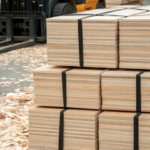
Plywood is an engineered wood panel manufactured by bonding thin layers of wood veneer together, generally with the grain direction of adjacent layers arranged at right angles.
This cross-layered construction helps provide dimensional stability and structural performance.
High-quality plywood, when correctly selected, manufactured, and installed, can offer several practical advantages:
- Structural strength: Helps furniture components withstand normal loads and everyday use.
- Dimensional stability: Helps reduce unwanted movement under suitable service conditions.
- Moisture resistance: Appropriate grades can provide better performance in moisture-prone environments.
- Reliable furniture construction: Provides a suitable foundation for cabinets, wardrobes, shelves, and interior panels.
- Long-term value: Durable materials may help reduce premature replacement and maintenance costs.
However, not all plywood offers the same level of performance. The grade, adhesive system, manufacturing quality, installation, and exposure conditions all matter.
Why the Material Beneath the Laminate Matters
A premium laminate can enhance the appearance of furniture, but it cannot compensate for an unsuitable or poorly manufactured substrate.
If the plywood underneath swells, warps, or deteriorates, the decorative surface may also become damaged.
This is why choosing suitable plywood should be one of the earliest decisions in an interior project.
Pro Tip: Before purchasing plywood, check its grade, thickness, applicable certifications, intended use, and manufacturer documentation. Choose materials based on performance requirements rather than appearance alone.
Key Takeaway: Beautiful finishes create the first impression, but the quality of the underlying materials helps determine how long that impression lasts.
4. How to Choose the Right Plywood for Different Spaces
Different areas of your home face different conditions. Selecting one type of plywood for every application without considering those conditions may lead to unnecessary expenses or performance problems.
Understanding the basic plywood grades can help you make better decisions.
Plywood for Living Room Furniture
Living room furniture such as TV units, display cabinets, bookshelves, and decorative storage units generally operates in relatively dry indoor conditions.
Suitable interior-grade plywood can be considered for these applications, depending on the structural requirements and design.
Plywood for Modular Kitchens
Kitchens are exposed to humidity, occasional water spills, cleaning, and steam.
Moisture-resistant plywood grades are particularly important in areas where water exposure is likely.
For demanding wet-use applications, properly specified BWP-grade plywood may be appropriate.
Plywood for Bedroom Wardrobes
Wardrobes require stable panels, dependable joints, and hardware that can handle repeated opening and closing.
Plywood selection should consider the size of the shutters, expected loads, humidity conditions, and installation method.
Understanding Common Plywood Grades
| Plywood grade | General application |
|---|---|
| MR (Moisture Resistant) | Dry indoor furniture and interior applications |
| BWR (Boiling Water Resistant) | Furniture requiring greater moisture resistance |
| BWP (Boiling Water Proof) | More demanding moisture-exposure applications, subject to product specifications |
The right grade depends on the manufacturer’s technical specifications and the actual conditions in which the furniture will be used. Even BWP plywood is not a substitute for proper waterproofing, edge sealing, and installation.
Pro Tip: Don’t automatically select the most expensive plywood for every room. Choose the correct grade for each application and invest in better moisture protection where it is genuinely needed.
Key Takeaway: Selecting plywood according to the room’s requirements can help balance performance, durability, and budget.
5. Why Material Selection Is More Important Than Following Interior Trends
Interior design trends change constantly.
One year, minimalist white kitchens dominate social media. The next, natural wood textures, bold colours, and statement wall panels become popular.
But furniture construction should not depend entirely on changing trends.
A thoughtfully selected furniture foundation can support different decorative styles over time.
Think Beyond the First Impression
Consider a homeowner who selects a fashionable wardrobe finish without checking the plywood quality.
If the core material deteriorates, changing the laminate alone may not solve the problem. The underlying panel could require repair or replacement.
In contrast, well-constructed furniture made with suitable materials can provide a more dependable foundation for future maintenance or cosmetic updates.
What Should You Prioritise?
Before finalising your furniture, consider these four factors:
- Material quality: Is the plywood suitable for the intended use?
- Functional design: Does the furniture provide enough storage and easy access?
- Construction quality: Are the joints, edges, fasteners, and hardware properly specified?
- Visual appearance: Does the finish complement your home’s overall design?
When these elements work together, your interiors become both practical and visually appealing.
Pro Tip: Allocate your furniture budget to core materials, hardware, and workmanship before spending heavily on decorative upgrades.
Key Takeaway: Interior trends may change, but quality construction remains a valuable long-term investment.
6. How AceTuffPly Fits into Thoughtfully Planned Interiors
A well-designed home deserves materials selected with equal attention to quality and functionality.
AceTuffPly can be considered as part of the material-selection process when planning furniture and interior applications.
Whether you’re designing a modular kitchen, bedroom wardrobe, living room storage unit, or customised furniture, the objective should remain the same: choose plywood that matches the project’s functional and environmental requirements.
Making More Informed Material Choices
When evaluating AceTuffPly for your interior project, consider:
- The available plywood grades and their recommended applications.
- The appropriate thickness for cabinets, shelves, shutters, and other components.
- Documented moisture-resistance and durability characteristics.
- Relevant product certifications and technical specifications.
- Proper installation, edge finishing, and maintenance requirements.
Rather than selecting plywood only by brand name or price, review the product specifications and consult a qualified interior professional.
A Better Approach to Interior Planning
For example, when planning a modern modular kitchen, begin by selecting the appropriate plywood grade for the cabinets.
Then finalise the cabinet dimensions, hardware, edge protection, and construction details.
Only after these decisions should you choose the decorative laminate, colour palette, and finishing accessories.
This approach helps ensure that the attractive exterior is supported by a properly planned interior structure.
Pro Tip: Ask your AceTuffPly dealer or supplier for the technical data sheet of the specific plywood product before making a purchase.
Key Takeaway: Choosing materials through a performance-focused process helps create interiors that are not only attractive but also suitable for everyday use.
7. Practical Tips for Creating Beautiful and Functional Interiors
You don’t need to compromise on style to build a practical home.
A few thoughtful decisions during the planning stage can help you avoid common furniture problems.
Your Interior Planning Checklist
- Plan around your lifestyle: Design storage and furniture according to daily routines rather than photographs.
- Select the right plywood: Match the grade, thickness, and performance characteristics to each application.
- Consider moisture exposure: Pay particular attention to kitchens, utility areas, and locations near plumbing.
- Choose reliable hardware: Good hinges, drawer channels, and fittings support smooth everyday operation.
- Protect vulnerable edges: Proper edge sealing and finishing can help limit moisture-related problems.
- Prioritise workmanship: Even high-quality materials require correct installation.
- Maintain furniture regularly: Promptly clean spills, repair leaks, and avoid prolonged exposure to water.
Pro Tip: Before approving your interior design, request a material specification sheet from your contractor or designer. It should identify the plywood grade, thickness, finish, hardware, and other important construction details.
Key Takeaway: The best results come from combining suitable materials, thoughtful design, skilled workmanship, and proper maintenance.
Final Thoughts: Great Interiors Begin with Great Planning
A beautifully styled home can make an immediate impression.
But a well-planned home offers something more meaningful: comfort, functionality, dependable performance, and long-term value.
The difference between the two is not always visible on the day the furniture is installed.
It becomes apparent through everyday use, changing seasons, regular cleaning, and the passage of time.
That’s why the most important interior decisions often happen before the decorative finishes are selected.
From choosing suitable plywood to planning practical storage and selecting dependable hardware, every detail contributes to the overall quality of your living space.
With AceTuffPly, begin your interior journey by exploring plywood options that suit your design and functional requirements.
Because a truly beautiful home is not just designed to look impressive.
It is thoughtfully planned to support the way you live.
Planning a New Home or Renovating Your Interiors?
Explore AceTuffPly plywood options and speak with an authorised supplier to identify suitable materials for your furniture and interior applications.
AceTuffPly — Build Your Interiors on the Right Foundation.